On The Other Side of the Console: Radiologic Technologists Share Their Journeys as Patients
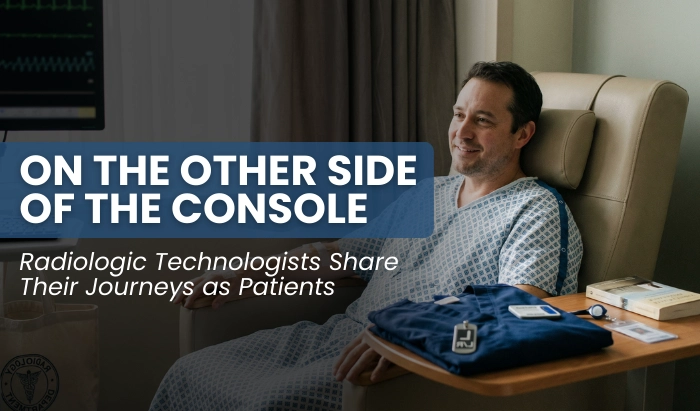
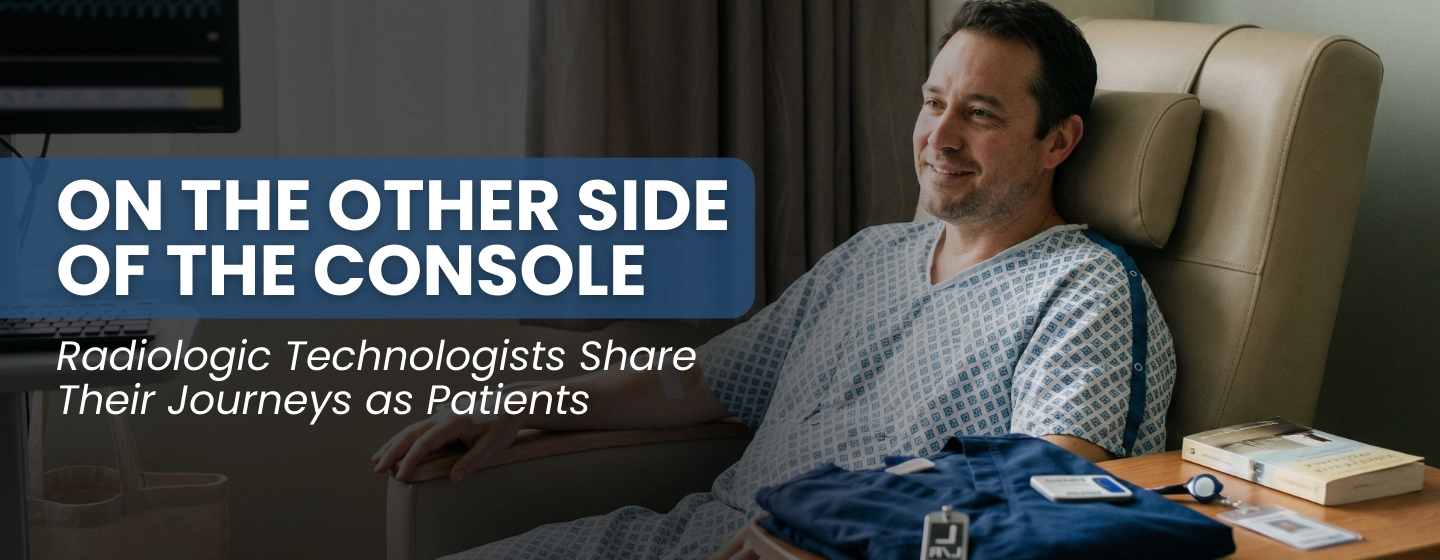




Real-life testimonials from technologists who experienced the healthcare system from the other side.
- Introduction
- Being a Patient in One’s Workplace: Advantage or Challenge?
- The Other Perspective: Treating a Colleague
- Empathy: A Skill Amplified by Illness
- Solidarity and Returning to Work
- After Illness: New Directions
- Conclusion
- References
Introduction
During the COVID-19 pandemic, healthcare workers were often celebrated as “heroes,” but beneath that label lies a more complex truth: they are human, and sometimes they become patients themselves. For caregivers used to knowing, deciding, and acting, stepping into the role of the cared-for is a profound and unsettling shift that demands adapting to uncertainty and confronting vulnerabilities they are trained to set aside. This experience presents a double challenge, first at diagnosis, when professional identity yields to the reality of illness, and again upon returning to work, when they must reclaim their roles while carrying the memory of what they have lived through.
To explore this experience, we spoke with radiologic technologists who have lived both roles of caregiver and patient.
Being a Patient in One’s Workplace: Advantage or Challenge?
One of the first questions any patient faces when illness is suspected is where to seek diagnosis and treatment. Most people outside the healthcare system have limited say; they typically follow their physician’s referral and go where appointments are available, with little control over where exams or treatments occur.
For healthcare workers, especially radiologic technologists whose daily practice centers on diagnostic imaging, the experience can feel quite different.
Across our interviews with RTs who became patients, two clear viewpoints emerged: Some radiologic technologists emphasized the practical and organizational advantages of being “one of their own,” while others described embarrassment and a lack of privacy when their health became known to their coworkers.
Florence, a radiologic technologist at a local public hospital living with Crohn’s disease and ankylosing spondylitis, recalled:
“About four or five years ago, I had a Crohn’s flare. I knew something was off, so I asked a colleague to get me into an MRI. The scan was very telling. I sent the images to my physician at the university hospital, started treatment immediately, and saved a good month to six weeks, compared with a typical patient without such rapid MRI access. It’s a huge advantage.” – Florence.
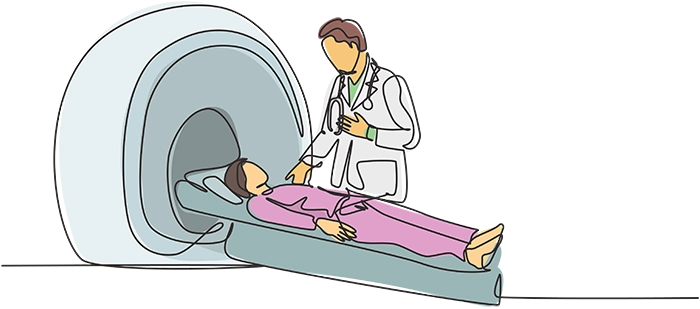
Many interviewees expressed gratitude for the access their role afforded. Delphine, a radiologic technologist with diabetes who later received a kidney–pancreas transplant, shared:
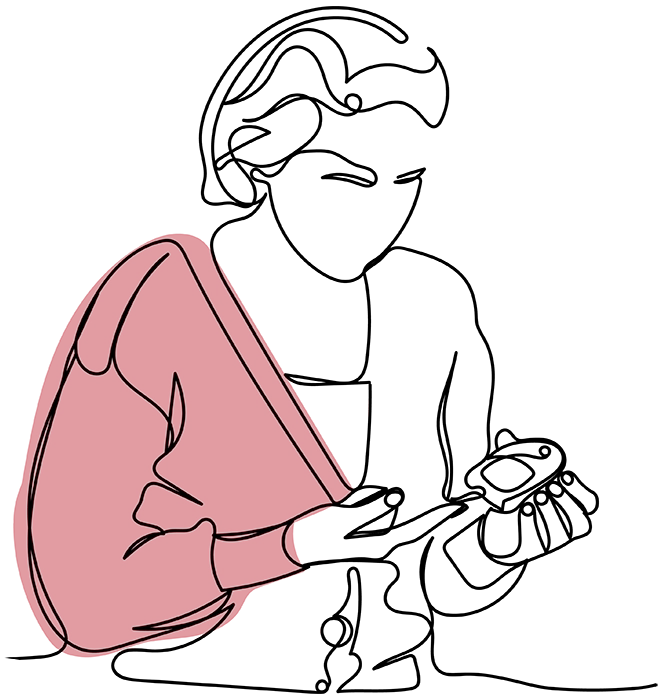
“I don’t hide anything from my colleagues. I’m comfortable having my scans done at work. It meant quick appointments and a complete medical chart assembled fast.”- Delphine.
On the other hand, some insisted on a strict boundary between personal health and professional life. For them, exposing vulnerability in front of coworkers was uncomfortable. Pauline admitted:
“When you don’t have a choice, it’s frustrating. You feel like you’re disrupting the schedule. I felt I was inconveniencing my colleagues. I’d rather book a standard appointment and arrive at the proper time.” – Pauline.
Olivier, who suffered a motorcycle accident with lasting effects, described mixed emotions:
“I had conflicted feelings. Becoming the well-known patient everyone came to see, even though I didn’t want that. Having people file through my room was a bit overwhelming.” – Oliver.

In short, when radiologic technologists receive care within their own workplace, the patient experience is shaped by a tension between professional familiarity that can streamline access and the personal vulnerability of being seen as a patient by one’s peers.
The Other Perspective: Treating a Colleague
The French book The Sick Caregiver underscores how challenging it can be for care teams to treat a fellow professional:
“Caregivers may struggle to view a caregiver-patient as an ordinary patient, especially when the person invokes their professional background. This can prompt fear of error, anxiety about criticism if outcomes are poor, and a sense of being judged for shortcomings.”

One interviewee echoed this dynamic: “The PET center where I’m followed is staffed by friends. I chose it because they supported me tremendously, but I know it made things complicated for them.”
Yet others appreciated the solidarity and shared language that often emerged. Marlène, officially recognized as a worker with a disability due to ankylosing spondylitis, noted:
“When the technologists and radiologists realized I was a technologist, I didn’t have to pay additional charges, and the conversations were far more medically focused.” – Marlène.
In short, while direct financial advantages are uncommon, radiologic technologists often experience faster pathways, quicker diagnostics, and easier access to exams when treated within their own systems.
Empathy: A Skill Amplified by Illness
Aurélie, who has lived with epilepsy for 20 years, reflected on how her condition shaped her path from the start:
“During my first practical class at school, I was hospitalized and attended my training in the radiology department with an IV pole, which shaped my entire education and career. From day one, I was on the other side of the barrier.” – Aurélie.
Having undergone numerous procedures as a patient: MRI, CT, X-rays, and EEG, she added:
“Being ill, managing stress in the MRI… it made me very empathetic. I understand patients’ stress, even their aggressiveness.” – Aurélie.

This perspective echoed across nearly all interviews: living through illness adds a new dimension to professional life. Personal experience deepens the ability to connect with patients, not only clinically but emotionally. Marjorie, treated for breast cancer, offered a candid reflection:
“I realized I wasn’t always very empathetic, maybe because of time pressure and workload. You gain a new perspective, that’s certain.” – Marjorie.
That perspective helps caregivers better sense patients’ needs, and at times, advocate for change in their own workplaces. Pauline, who has ankylosing spondylitis, agreed:
“I was already empathetic, but now even more so, especially with patients who share my condition.” – Pauline.
For patients with so-called “unpopular illnesses,” being cared for by someone who truly understands can bring genuine comfort and reassurance. At the same time, being a patient sharpens a caregiver’s eye. One technologist summarized it this way:
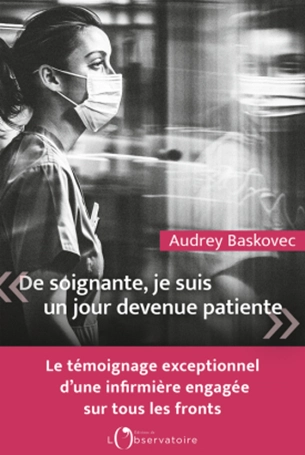
You remain a caregiver even as a patient. You quickly notice procedural lapses, mistakes, or organizational flaws, but you also understand them, and you speak the same language.” – From a caregiver, I one day became a patient (Audrey Baskovec, 2024)
Solidarity and Returning to Work
Teamwork sits at the core of a radiologic technologist’s role. When illness strikes, many worry less about their own recovery and more about how their absence affects the team. Guilt surfaces over disrupted schedules, shifted workloads, and being “the one who’s out.” For those with chronic or potentially disabling conditions, that sense of responsibility can feel even heavier. It’s common to downplay personal needs to avoid adding pressure on colleagues or patients. As Florence observed:
“We always tell patients to rest and take care of themselves, but we don’t apply that advice to ourselves.” – Florence.
At the same time, caring for people daily who face serious diseases can offer perspective and even strength. Constant and close proximity to illness can, paradoxically, foster resilience. As Florence added:
“Yes, we tend to neglect ourselves, but that helps us forget our pain. I doubt I’d be better off staying home on my couch. Knowing you’re helping others puts things in perspective.” – Florence.
Still, returning after a prolonged absence is rarely straightforward. Unlike a realtor returning to showings or a teacher to the classroom, radiologic technologists re-enter environments filled with reminders of their own condition, images, symptoms, and stories that may mirror their own experiences. That closeness can make reintegration emotionally and mentally demanding. The National Cancer Institute’s 2021–2030 strategic plan acknowledges the need for robust return-to-work support; yet, dedicated structures for healthcare workers, and radiologic technologists in particular, remain limited.
After Illness: New Directions
A feature in ONKO+ (January 2019) noted that many caregivers who experienced cancer described “A different outlook on life, now focused on what truly matters.” In the absence of well-defined support systems, some professionals chose to redirect their careers toward paths that better matched this revised perspective.
- One transitioned into paramedical research.
- Another trained as a patient-care expert, an emerging role in which people with lived experience of illness help improve how care is delivered.
As defined by the French National Authority for Health (HAS), “The patient-care expert has developed deep knowledge of their disease over time and brings valuable lived experience.” This approach has been championed by Catherine Tourette-Turgis, who founded the University of Patients at Sorbonne University in 2009, a model that has been adopted in other regions of France.
Chronic-illness organizations such as the French Diabetes Federation and France Rein also provide training programs for patient volunteers. These initiatives are open to healthcare professionals, including technologists, creating opportunities to bridge caregiver and patient roles. They help professionals navigate a dual identity and channel lived experience into meaningful change. As ONKO+ further emphasized, “The caregiver and patient identities become intertwined and require adapted support.”
Conclusion
The testimonies in this article make one thing clear: returning to work after illness is rarely straightforward, especially for healthcare workers. Even with medical clearance, many find that staffing shortages and systemic pressures leave little room for the support and adjustments they need. Occupational health services can ease the transition through evaluations and tailored schedules, yet many radiologic technologists still resume full-time duties, driven by professional commitment and the personal growth their experience has forged. At the same time, research continues to highlight risks from night shifts and cumulative exposure to ionizing radiation, underscoring the urgent need to better protect and support those who care for others—a priority for the future of medicine.
For patients with so-called “unpopular illnesses,” being cared for by someone who truly understands can bring genuine comfort and reassurance. At the same time, being a patient sharpens a caregiver’s eye. One technologist summarized it this way:
We extend our sincere thanks to Aurélie, Pauline, Florence, Delphine, Marlène, Élisabeth, Olivier, and Marjorie for their trust and invaluable contributions to this article.

References:
- Book
- Le Soignant Malade: www.vuibert.fr
- HAS guide on patient engagement: www.has-sante.fr
- Empathy and burnout in medical staff: mediating role of job satisfaction and job commitment: bmcpublichealth.biomedcentral.com
- Effectiveness of empathy in general practice: a systematic review: pmc.ncbi.nlm.nih.gov
- DSHS launches virtual reality training to develop patient empathy at Western State Hospital: dshswa.medium.com
- Elevating Patient Care through Empathy: postgraduateeducation.hms.harvard.edu
- ‘Walking in the shoes of our patients’: a scoping review of healthcare professionals learning from the simulation of patient illness experiences: advancesinsimulation.biomedcentral.com
Disclaimer: The information provided on this website is intended to provide useful information to radiologic technologists. This information should not replace information provided by state, federal, or professional regulatory and authoritative bodies in the radiological technology industry. While Medical Professionals strives to always provide up-to-date and accurate information, laws, regulations, statutes, rules, and requirements may vary from one state to another and may change. Use of this information is entirely voluntary, and users should always refer to official regulatory bodies before acting on information. Users assume the entire risk as to the results of using the information provided, and in no event shall Medical Professionals be held liable for any direct, consequential, incidental or indirect damages suffered in the course of using the information provided. Medical Professionals hereby disclaims any responsibility for the consequences of any action(s) taken by any user as a result of using the information provided. Users hereby agree not to take action against, or seek to hold, or hold liable, Medical Professionals for the user’s use of the information provided.