
Hantavirus: What Radiologic Technologists Should Know






Hantavirus: What Radiologic Technologists Should Know
Hantavirus has recently returned to public attention after reports of a multi-country cluster linked to cruise ship travel. While the name may sound unfamiliar to many patients, hantaviruses are not new. They are a family of viruses carried mainly by rodents and, in some cases, can cause serious illness in humans.
- What Is Hantavirus?
- How Is Hantavirus Transmitted?
- Symptoms and Effects on the Body
- What Are CDC, WHO, and International Health Agencies Saying?
- What Does This Mean for Radiologic Technologists?
- Patient Communication: Calm, Clear, and Within Scope
- Key Takeaways for Imaging Professionals
- References
Introduction
Hantavirus has recently returned to public attention after reports of a multi-country cluster linked to cruise ship travel. While the name may sound unfamiliar to many patients, hantaviruses are not new. They are a family of viruses carried mainly by rodents and, in some cases, can cause serious illness in humans.
Although hantavirus disease is rare in the United States, it can be severe. According to CDC surveillance data, 890 laboratory-confirmed cases of hantavirus disease were reported in the U.S. from the start of surveillance in 1993 through the end of 2023. CDC also reports that 35% of U.S. hantavirus cases resulted in death, while another CDC summary notes that approximately 38% of people who develop respiratory symptoms may die from the disease. These statistics explain why public health agencies treat suspected cases seriously, even when the overall risk to the general public remains low.
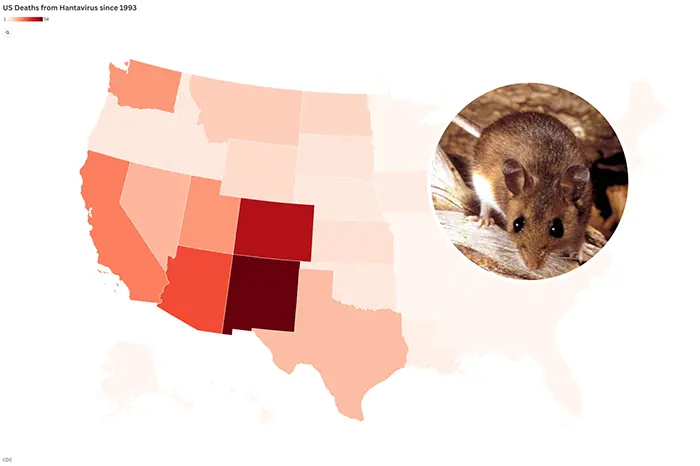
The current outbreak being discussed by public health agencies involves Andes virus, a type of hantavirus that can lead to hantavirus pulmonary syndrome, also known as HPS. CDC states that hantaviruses are found worldwide, are spread mainly by rodents, and can cause serious disease or death in people.
For radiologic technologists, sonographers, and other imaging professionals, the key question is not only “What is hantavirus?” but also “What does this mean in the clinical setting?” Imaging departments often interact with patients before a diagnosis is confirmed. This makes awareness, screening, communication, and proper infection prevention practices essential.

What Is Hantavirus?
Hantavirus refers to a group of viruses that can infect people and cause different types of illness. In the United States, hantavirus infection is most commonly associated with hantavirus pulmonary syndrome, a severe respiratory illness that affects the lungs. In other parts of the world, some hantaviruses are more commonly associated with hemorrhagic fever with renal syndrome, which primarily affects the kidneys.
The virus currently receiving attention is Andes virus, a hantavirus known to occur mainly in parts of South America. Unlike many other hantaviruses, Andes virus has shown limited person-to-person transmission in close and prolonged contact settings, although public health agencies continue to emphasize that it does not spread easily like influenza or COVID-19. CDC’s current situation summary identifies Andes virus as the type responsible for the cruise ship outbreak and notes that it can cause hantavirus pulmonary syndrome.
How Is Hantavirus Transmitted?
The most common route of hantavirus transmission is exposure to infected rodents, especially their urine, droppings, saliva, or contaminated nesting materials. People may become infected when virus-containing particles become airborne and are inhaled, especially during cleaning or disturbing rodent-contaminated areas. Less commonly, infection may occur through a rodent bite or scratch.
For Andes virus specifically, public health agencies recognize a limited possibility of person-to-person spread. CDC advises avoiding close personal contact with someone who may have Andes virus, including kissing, sexual contact, sharing drinks, sharing eating utensils, or eating from the same plate or bowl.
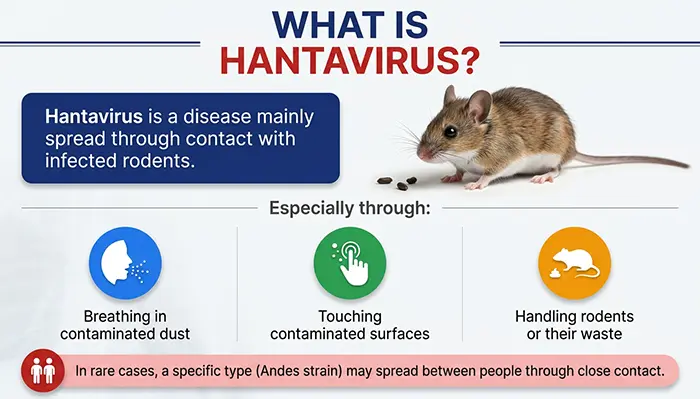
This distinction matters. Most hantavirus prevention focuses on rodent control and safe cleaning practices, but Andes virus also requires careful attention to close-contact exposure and healthcare infection control precautions.
Hantavirus pulmonary syndrome often begins like many other viral illnesses. Early symptoms may include:
Symptoms and Effects on the Body










Because these symptoms can resemble influenza, COVID-19, or other infections, exposure history becomes very important.
As the disease progresses, HPS can affect the lungs and heart. Patients may develop coughing, shortness of breath, low oxygen levels, and signs of respiratory distress. CDC describes HPS as a potentially serious disease that damages the lungs and can progress rapidly, making early recognition and supportive medical care important.
In severe cases, patients may require hospitalization, oxygen support, intensive care monitoring, or mechanical ventilation. CDC notes that HPS can be fatal in nearly 4 in 10 infected people, which is why suspected cases should be escalated quickly.
What Are CDC, WHO, and International Health Agencies Saying?
CDC is currently monitoring and responding to the Andes virus outbreak linked to cruise ship travel. The agency reported that WHO confirmed Andes virus as the responsible hantavirus type and that investigations are ongoing to assess exposure risks among travelers and contacts.

WHO reported the cluster as a multi-country event and described coordination with national health authorities, including risk assessment, medical evaluation, and public health follow-up for exposed passengers and crew. WHO also deployed expertise to support medical assessment and investigation related to the cruise ship cluster.

ECDC has also published guidance for managing people potentially exposed to Andes hantavirus, especially passengers, healthcare professionals, and transport personnel involved in care, disembarkation, and transfer. ECDC emphasizes that Andes hantavirus does not spread easily between people and that human-to-human transmission is rare, generally requiring prolonged close contact.

For healthcare settings, CDC’s Appendix A recommends that patients with suspected or confirmed Andes virus infection be placed in an airborne infection isolation room, with staff using gown, gloves, eye protection, and an N95 respirator or higher-level respiratory protection when entering the patient’s room.
What Does This Mean for Radiologic Technologists?
Radiologic technologists are not usually the first professionals who diagnose hantavirus, but they may be among the first to image a patient with respiratory symptoms. A patient with fever, shortness of breath, low oxygen saturation, or worsening pulmonary symptoms may be sent for chest imaging before the infectious cause is known.
For rad techs, the most important role is to follow facility policy and communicate clearly with the care team. If a patient is suspected of having Andes virus or another serious infectious disease, technologists should confirm the required isolation precautions before transport or imaging begins. This includes checking whether the patient requires a mask, whether portable imaging is preferred, and what PPE is required for staff entering the room.
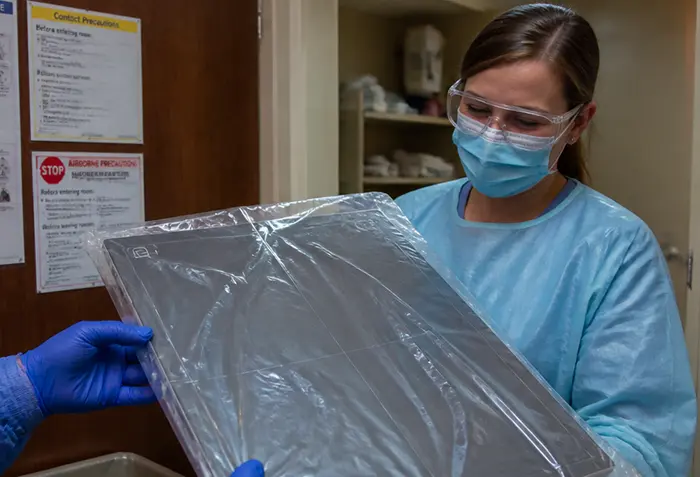 Disclaimer: Specific precautions may vary by facility, patient status, and local public health guidance, so technologists should always follow their institution’s infection prevention policies.
In practical terms, this may involve:
- Using portable radiography when appropriate to reduce patient transport.
- Following airborne, contact, and standard precautions when directed by infection prevention.
- Wearing the correct PPE before entering the room.
- Avoiding unnecessary staff exposure.
- Cleaning and disinfecting imaging equipment according to facility protocol.
- Communicating with nursing, infection prevention, transport, and radiology leadership before moving the patient.
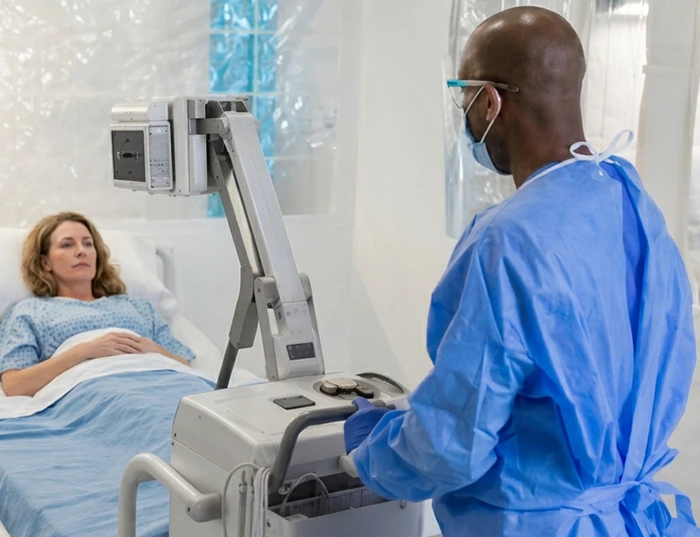
For CT, MRI, ultrasound, nuclear medicine, interventional radiology, or fluoroscopy teams, workflow planning becomes especially important. A suspected infectious patient may require room preparation, limited personnel, careful equipment protection, and thorough terminal cleaning after the exam. In MRI, infection control steps must also be balanced with MRI safety screening, patient monitoring, and safe handling of oxygen or emergency equipment.
Patient Communication: Calm, Clear, and Within Scope
When infectious diseases appear in the news, patients may arrive in the imaging department already anxious. Some may ask whether they have hantavirus, whether they are contagious, or whether the imaging exam will confirm the diagnosis. In these moments, radiologic technologists play an important role in keeping the environment calm, professional, and safe.
The technologist’s role is not to diagnose the patient or interpret the cause of symptoms. Instead, the focus should remain on explaining the imaging process, following infection prevention precautions, and reassuring the patient that the care team is managing the situation appropriately.
Clear communication can also improve cooperation during the exam, especially if the patient is short of breath, uncomfortable, isolated, or worried about being placed under special precautions. A calm explanation helps the patient understand that masks, gowns, gloves, respirators, room preparation, or portable imaging are safety measures—not a sign that something has gone wrong.
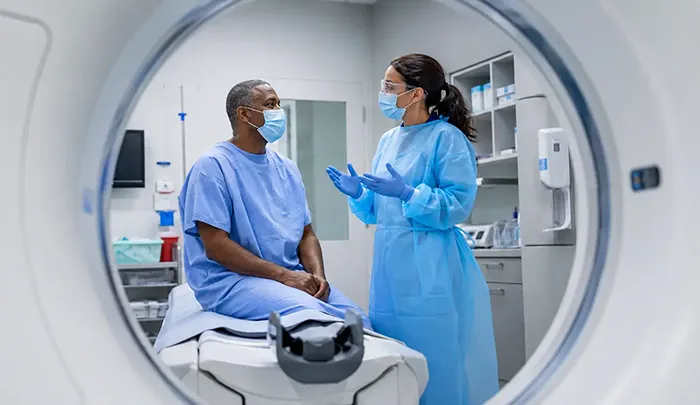
A radiologic technologist may say:
“We are taking extra precautions to protect you, our staff, and other patients while we complete your imaging exam. Your medical team will review the findings and explain what they mean.”
Or, if the patient asks whether they have hantavirus:
“Your provider will be the one to discuss your diagnosis with you. My role is to complete the imaging exam safely and make sure the images are available for your care team.”
This approach keeps communication accurate, supportive, and within the technologist’s scope of practice. It also reinforces the importance of teamwork between imaging, nursing, infection prevention, emergency medicine, and the ordering provider.
In suspected infectious cases, good communication is not only about what is said to the patient. It also includes confirming precautions with the care team before transport, notifying coworkers before the patient arrives, and documenting or reporting any exposure concerns according to facility policy. For radiologic technologists, calm and consistent communication helps protect both patient care and workplace safety.
Key Takeaways for Imaging Professionals
For radiologic technologists, the main lesson from hantavirus and Andes virus is not panic, but preparedness. Hantavirus disease is rare, but when it progresses to hantavirus pulmonary syndrome, it can become severe quickly. Imaging professionals may be involved before a diagnosis is confirmed, especially when a patient presents with fever, shortness of breath, low oxygen saturation, or worsening respiratory symptoms.
In the imaging department, the technologist’s role is to support safe, efficient care while reducing unnecessary exposure. This means paying attention to the patient’s infection status, checking isolation requirements before transport, and confirming whether portable imaging is preferred. If the patient is under airborne, contact, or special isolation precautions, technologists should follow facility policy for PPE before entering the room or imaging area.
Equipment protection and room workflow also matter. Portable X-ray units, CT tables, ultrasound probes, positioning aids, image receptors, and control panels may all require appropriate cleaning and disinfection after the exam. When possible, departments should limit the number of staff involved, prepare the room before the patient arrives, and avoid unnecessary movement of the patient through public or high-traffic areas.
Radiologic technologists should also communicate early with nursing, infection prevention, transport, and radiology leadership. Before the exam, confirm the patient’s condition, oxygen needs, mask use, route of transport, and any special precautions. After the exam, report any exposure concern, equipment contamination issue, or break in PPE according to facility policy.
The key point is that imaging professionals are part of the infection-control chain. They do not diagnose hantavirus, but they help prevent delays, reduce exposure risk, and keep imaging services running safely during infectious disease events. Staying informed, asking the right questions, using the correct PPE, and following cleaning protocols all help protect patients, coworkers, and the wider healthcare environment.
References
- CDC — Hantavirus Clinical Overview
- CDC — About Andes Virus
- CDC — Hantavirus Pulmonary Syndrome Clinical Overview
- CDC — Hantavirus Pulmonary Syndrome Case Definition
- CDC — About Hantavirus
- CDC — Hantavirus / Andes Virus Situation Summary
- CDC — Isolation Precautions Appendix A: Type and Duration of Precautions
- WHO — Disease Outbreak News: Andes Hantavirus Outbreak
- ECDC — Guidance for Management of Passengers Linked to Andes Hantavirus Outbreak on Cruise Ship