
Mentorship, Networking, and Belonging in the Radiology Technologists’ Community






- Introduction
- Mentorship
- Formal vs. Informal Mentorship
- Effective Support
- Networking
- Conferences
- Professional Societies
- Online Communities
- Workplaces
- Belonging and Retention
- Strategies for Building Connection
- Looking Ahead
Introduction
If you ask most medical imaging and radiation therapy professionals what keeps them in this profession long-term, the answer usually isn’t a piece of equipment or a treatment technique. It’s the people.
Radiologic technology is a highly technical field, but it is also a people-centered profession. We rely on one another to learn, to grow, to solve problems, and sometimes just to get through a long day in the clinic. As healthcare and radiology become more complex and fast-paced, connections across our professional community matter more than ever.
Mentorship, networking, and strong professional relationships are not extras in clinical practice. They are essential parts of building capable professionals, sustainable careers, and healthy departments. A profession grows stronger when its members support one another. And in radiologic technology, those connections start earlier than we realize.
Mentorship
Most radiologic technologists can think of someone who has played an important role in their career. Maybe it was a clinical instructor who took the time to explain the ‘why’ behind a setup, a senior technologist who stayed late to help work through a challenging case, or a colleague who offered encouragement during that stressful first year in the clinic.
One of the most powerful forces shaping our profession is mentorship. At its core, mentorship provides perspective that comes from experience. Experienced professionals share lessons learned through years of practice, helping others better understand both the clinical and professional sides of healthcare. These relationships help build confidence, sharpen skills, and reinforce safe clinical practice.
Mentorship is not limited to experienced professionals guiding students. It happens throughout every stage of a career. A new graduate may bring fresh knowledge from the classroom. A mid-career technologist might share practical ideas for improving workflow. And a technologist stepping into leadership may help others develop confidence in their professional abilities. Mentorship works best when it happens in all directions.
In medical imaging and radiation therapy, patient safety depends on teamwork and communication. Mentorship strengthens departments by encouraging an environment where questions are welcomed and learning continues throughout a career.
Formal vs. Informal Mentorship
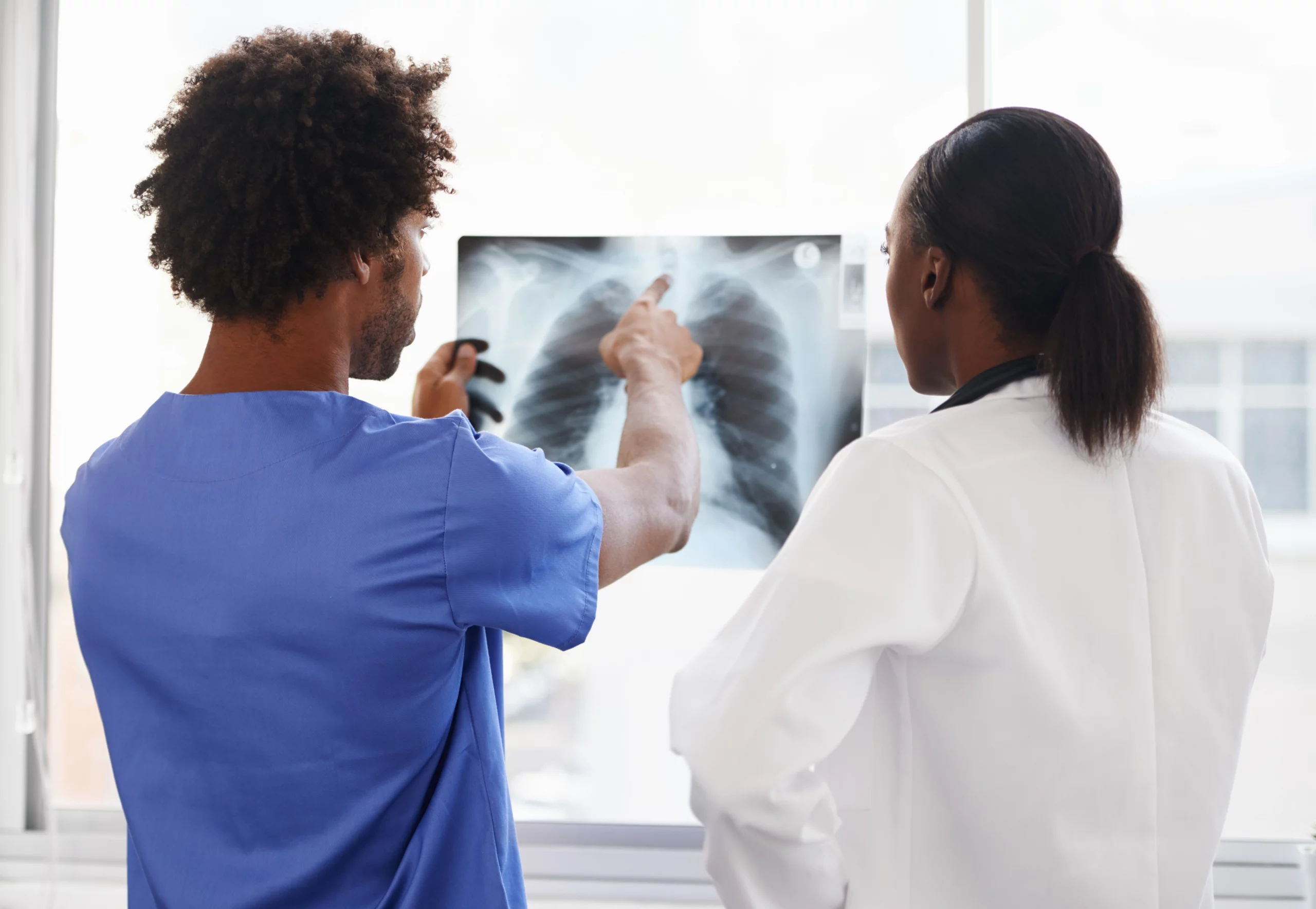
Mentorship does not always happen in mentorship programs. Formal mentorship programs exist in many hospitals, universities, and professional organizations, often pairing students or early-career professionals with experienced mentors who offer career guidance, professional insight, and educational support.
These programs can be incredibly valuable, particularly for students transitioning into clinical practice. A formal mentor can help someone better understand the profession, provide feedback, and introduce new technologists to professional opportunities.
However, some of the most meaningful mentorships do happen informally. It may occur during a conversation in the control area after a challenging case, when a technologist shares a practical setup tip that was never covered in a textbook, or when a coworker checks in after a difficult shift. In many departments, this kind of mentorship develops naturally through everyday clinical work.
Both forms matter. Structured programs provide consistency and access, while informal mentorship builds relationships that strengthen workplace culture. Together, they help create a profession where support and guidance are easy to find.
Effective Support
Good mentorship is not about knowing everything. It is about supporting the environment where growth is encouraged and people feel comfortable learning. Effective mentors share their knowledge, but they also listen. They understand that every technologist develops at a different pace and brings different strengths to the profession.
Support can take many forms. It may be helping a student gain confidence in patient communication, offering guidance on continuing education opportunities, or encouraging a colleague to present at a conference or become involved in a professional society. Sometimes support is as simple as reminding someone that the first year of practice gets easier.
This profession can be demanding. The emotional weight of patient care and the pace of clinical environments can challenge even the most motivated professionals. A supportive mentor can make a meaningful difference, helping someone who is feeling overwhelmed to feel supported, capable, and confident in their role.
Networking
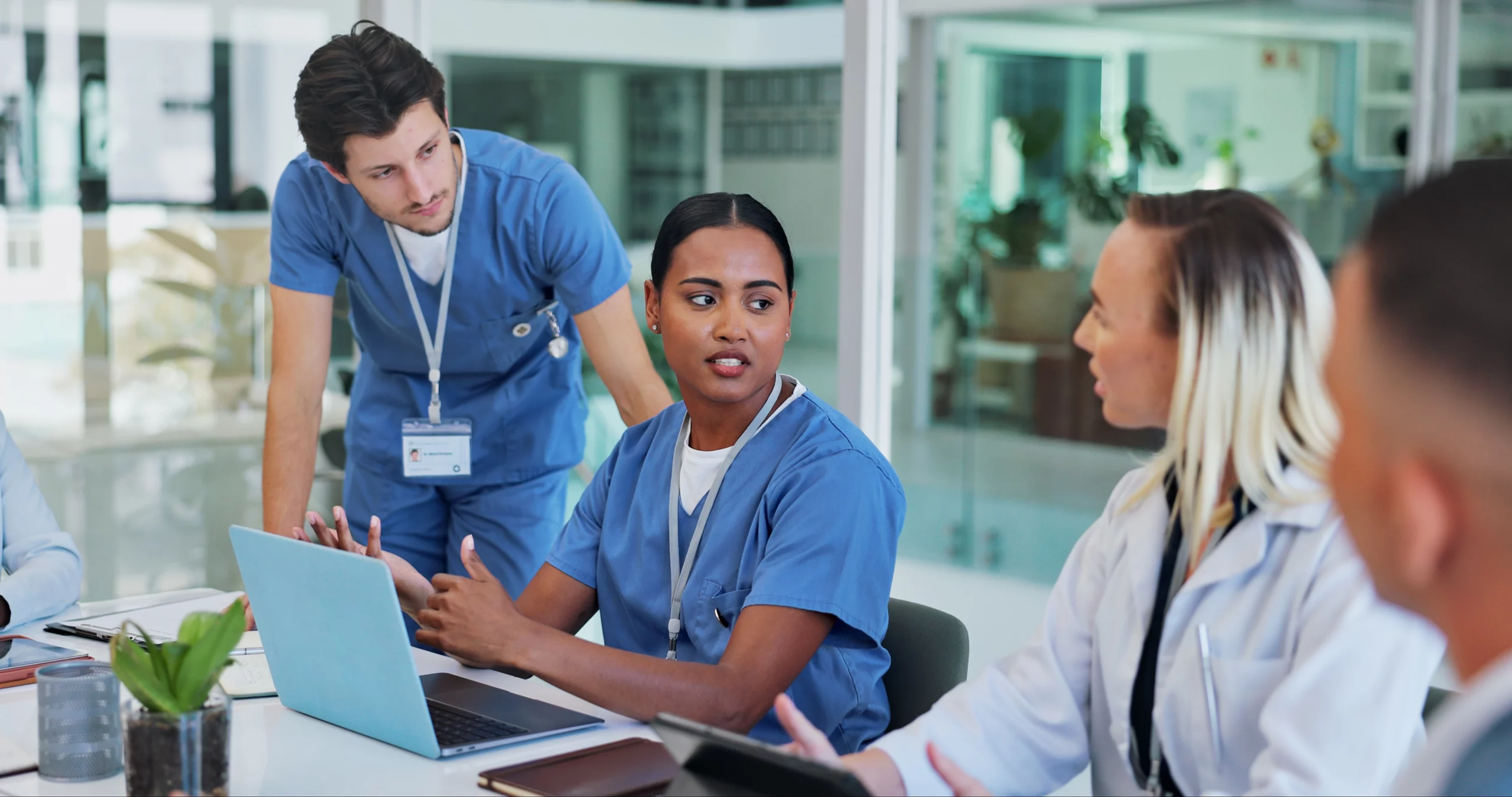
Networking is often misunderstood. Some people picture it as a formal exchange of business cards or a forced conversation at a conference, when in reality it usually happens naturally in the radiology technologists’ community. Networking is simply the process of building professional relationships with others who share a passion for the profession.
Networking looks different at each stage of a career. Students often begin building their professional networks during clinical rotations, where relationships with clinical instructors and department staff can influence early career opportunities and build professional confidence.
Early-career technologists may use networking to explore continuing education, specialty roles, or leadership opportunities. These connections often help new technologists adjust from student to independent clinician.
Established professionals often shift toward mentorship and leadership. Their networks allow them to share experience, support emerging professionals, and contribute to the direction of the field. At every stage, networking strengthens both the individual and the profession.
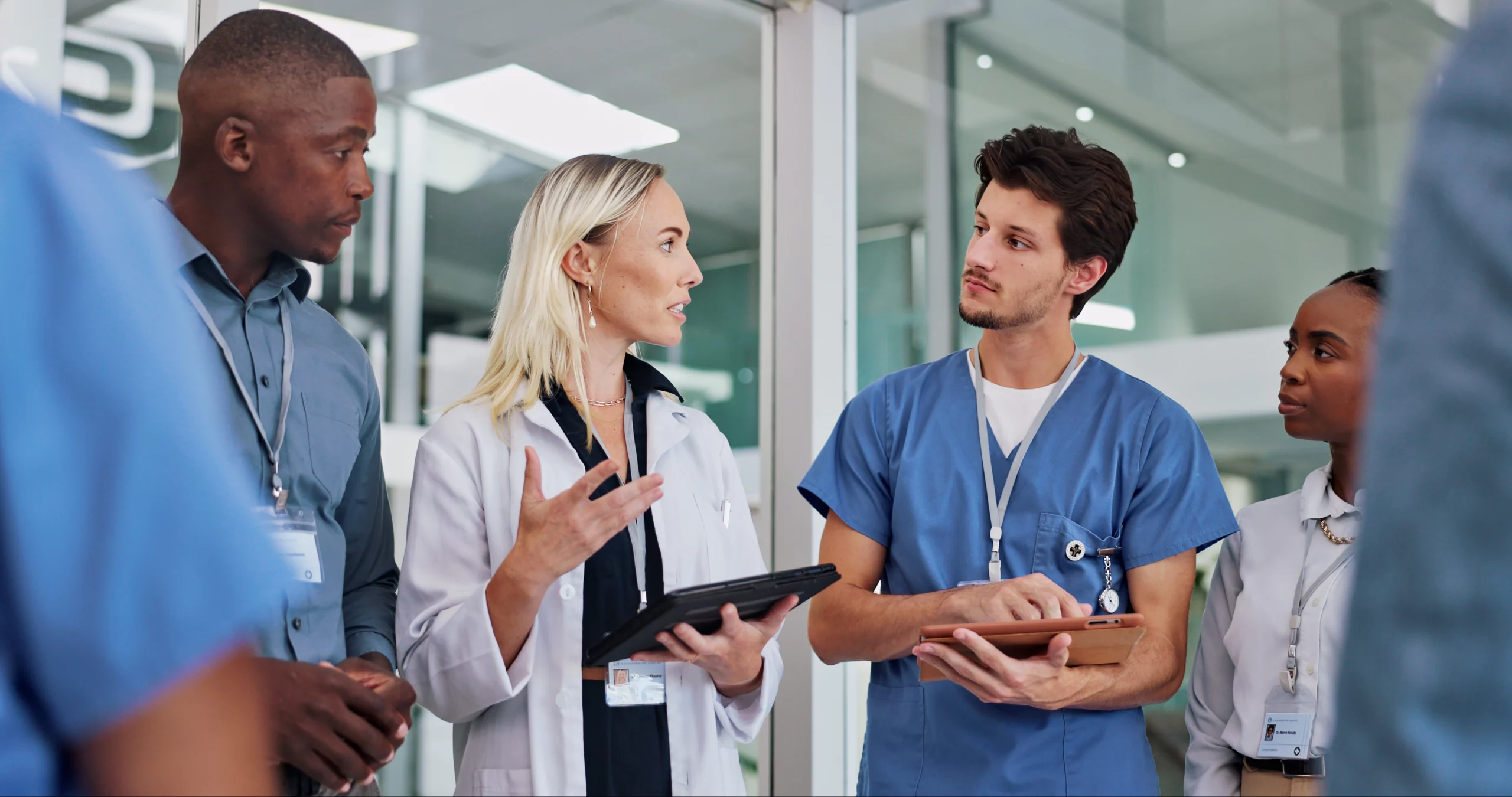
Conferences
Professional conferences bring together people from across the country who share the same passion. For many radiology technologists, attending a conference is the first time they realize how large and connected the professional community really is. Conversations with people from other institutions can spark new ideas about workflow, patient care approaches, or emerging technologies. Conferences also provide opportunities to meet educators, researchers, and industry leaders who help advance the profession.
Equally important, they create a space for informal connections. Some of the most meaningful conversations happen between sessions or over coffee with someone who understands the challenges of working in the field.

Professional Societies
Professional societies such as the American Society of Radiologic Technologists (ASRT) and state affiliates play an important role in strengthening professional connections. These organizations provide opportunities for continuing education, leadership development, and collaboration with people across the country.
Participation in professional societies also allows technologists to contribute to the direction of the profession. Opportunities to get involved with committee work, volunteering, or attending events help professionals stay connected and engaged in the broader radiology technologists’ community.
Online Communities
Digital platforms have expanded how professionals are able to connect. Online forums, professional groups, and social media communities allow technologists to share ideas, ask questions, and celebrate milestones no matter where they work. These platforms can provide quick access to shared knowledge and support.
When used professionally and responsibly, online communities help us connect in a field where many departments operate independently. They also increase visibility for the profession, helping students and early-career technologists see the range of opportunities available within the broader field.
Workplaces
Some of the strongest professional networks are found in the workplace. Departments where colleagues support one another create a space where professionals feel comfortable asking questions, sharing knowledge, and collaborating on solutions. These relationships often extend beyond the clinic, evolving into lasting professional connections.
A healthy work environment does not happen automatically. It develops when teams value communication, mutual respect, and shared commitment to patient care. When that culture exists, it strengthens both the individual technologists and the department as a whole.
Belonging and Retention
Feeling connected to a radiology professional community has a direct impact on career satisfaction and longevity. Professionals who feel supported by their colleagues are more likely to stay motivated, contribute ideas, pursue continuing education, and invest in their professional growth. On the other hand, those who lack support may experience burnout more quickly.
True connection in the workplace goes beyond just being included. It requires feeling respected, recognized, and genuinely supported by the people around you. In medical imaging and radiation therapy departments, that sense of connection can influence everything from teamwork to patient care outcomes. When radiologic technologists feel connected to their colleagues and their profession, they are more likely to stay committed to both.

Strategies for Building Connection
Strong professional communities do not require large programs or formal initiatives. Often, small actions make the biggest difference. At the departmental level, leaders can encourage mentorship just by pairing experienced technologists with new hires or students during onboarding. On a larger scale, professional societies can design networking events that feel approachable rather than intimidating. Most importantly, individuals can build a supportive culture just by sharing their experiences and checking in on colleagues after a tough shift.
Even small efforts, such as inviting a new technologist to participate in a committee or encouraging a coworker to attend a conference, can strengthen professional connections. The goal is not to create perfect programs, but to create places where people feel supported and able to grow.
Looking Ahead
Medical imaging and radiation therapy are grounded in precision, responsibility, and compassion. But behind every treatment machine and imaging system in radiology is a community of professionals who support one another.
Mentorship, networking, and professional connections are every bit as important as clinical practice. They are part of what strengthens departments, supports new professionals, and sustains long-term careers in our field.
Technology will continue to evolve, and healthcare will continue to change. What should remain constant is the way we support one another as professionals. By strengthening connections within our community, we strengthen individual careers and the future of the profession itself.

Disclaimer: The information provided on this website is intended to provide useful information to radiologic technologists. This information should not replace information provided by state, federal, or professional regulatory and authoritative bodies in the radiological technology industry. While Medical Professionals strives to always provide up-to-date and accurate information, laws, regulations, statutes, rules, and requirements may vary from one state to another and may change. Use of this information is entirely voluntary, and users should always refer to official regulatory bodies before acting on information. Users assume the entire risk as to the results of using the information provided, and in no event shall Medical Professionals be held liable for any direct, consequential, incidental or indirect damages suffered in the course of using the information provided. Medical Professionals hereby disclaims any responsibility for the consequences of any action(s) taken by any user as a result of using the information provided. Users hereby agree not to take action against, or seek to hold, or hold liable, Medical Professionals for the user’s use of the information provided.